RGB-LED-Leuchten: Funktionsprinzipien & 8 Schlüsselvorteile
Was sind RGB-LED-Leuchten und wie funktionieren sie?
RGB-LED-Leuchten erzeugen satte, lebendige Farben durch die Mischung von roten, grünen und blauen primären Lichtquellen nach dem Prinzip der additiven Farbmischung. Wenn sich diese drei Lichtquellen überlagern, erzeugen sie unzählige Farben mit erhöhter Helligkeit, weshalb diese Methode in der Beleuchtung, bei Displays und Bildschirmen weit verbreitet ist.
Jeder Farbkanal unterstützt 256 Helligkeitsstufen von 0 bis 255. Wenn alle Kanäle 255 erreichen, erzeugen sie reines Weiß; wenn sie auf 0 stehen, zeigen sie Schwarz. Dieses System ermöglicht es RGB-LEDs, mehr als 16 Millionen Farben anzuzeigen und liefert extrem realistische und klare visuelle Effekte.
Die meisten modernen Monitore, Fernseher und LED-Displays verwenden den RGB-Farbstandard, da er eine hohe Farbsättigung und Genauigkeit gewährleistet. Durch die Integration von drei Farbchips in einer Beleuchtungseinheit bilden RGB-LEDs Vollfarb-Pixel und sorgen für hellere, natürlichere Bilder sowohl in alltäglichen als auch in industriellen Anwendungen.
8 Kernvorteile von Lanjin RGB-LED-Leuchten
- Stabilität: Extra-lange Lebensdauer von bis zu 100.000 Stunden, mit nur 50% Lichtdämpfung nach Langzeitnutzung
- Ultraschnelle Reaktion: Reaktionsgeschwindigkeit im Nanosekundenbereich, weit schneller als herkömmliche Glühlampen
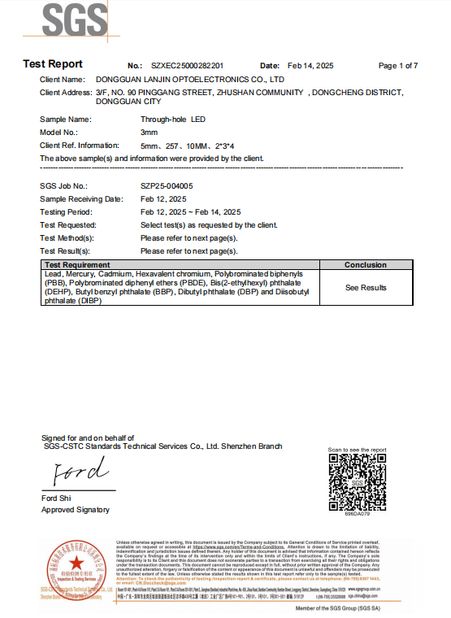
- Umweltfreundlich: Kein giftiges Quecksilber oder schädliche Substanzen, sicher für Menschen und Umwelt
- Hohe Sicherheit: Niedrige Betriebsspannung (2–4V), was sie für öffentliche, gewerbliche und private Bereiche äußerst sicher macht
- Geringer Betriebsstrom: 0–15mA Betriebsbereich, die Helligkeit kann durch Änderung des Stroms präzise eingestellt werden
- Energieeinsparung: Reduziert den Stromverbrauch um bis zu 80% im Vergleich zu herkömmlicher Glühlampenbeleuchtung
- Starke Anwendbarkeit: Mini-Größe (3–5mm), kann zu verschiedenen Formen verarbeitet und an unterschiedliche Umgebungen angepasst werden
- Flexible Farbänderung: Farbe ändert sich mit dem Strom, wodurch leicht Rot, Orange, Gelb, Grün und andere Farben erzielt werden
Warum Lanjin Hochwertige RGB-LEDs wählen?
Hochleistungs-Chips: Verwendet 23×10mil hochwertige Chips mit 4 Helligkeitsstufen von 26 bis 36mW, die eine stabile und ausreichende Helligkeit bieten.
Haltbare Struktur: Verwendet Messinghalterungen und Golddraht-Bonding-Technologie, um eine gute elektrische Leitfähigkeit und langfristige Stabilität zu gewährleisten.
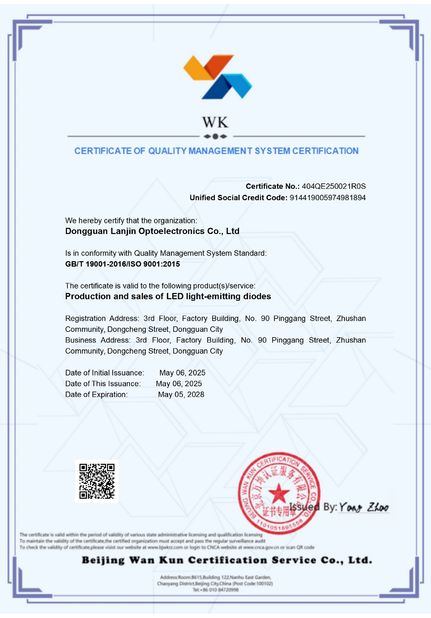
Zuverlässige Verpackungsmaterialien: ISO-zertifizierter Klebstoff reduziert effektiv die Lichtalterung, verhindert Farbverschiebungen und verlängert die Lebensdauer erheblich.
Mit strenger Materialauswahl und fortschrittlicher Produktionstechnologie bieten Lanjin RGB-LEDs bessere Stabilität, höhere Helligkeit und längere Lebensdauer für Beleuchtungs-, Display- und industrielle Anwendungen.


 Ihre Nachricht muss zwischen 20 und 3.000 Zeichen enthalten!
 German